An older home kitchen remodel in Santa Clarita, and the rules its build year sets off
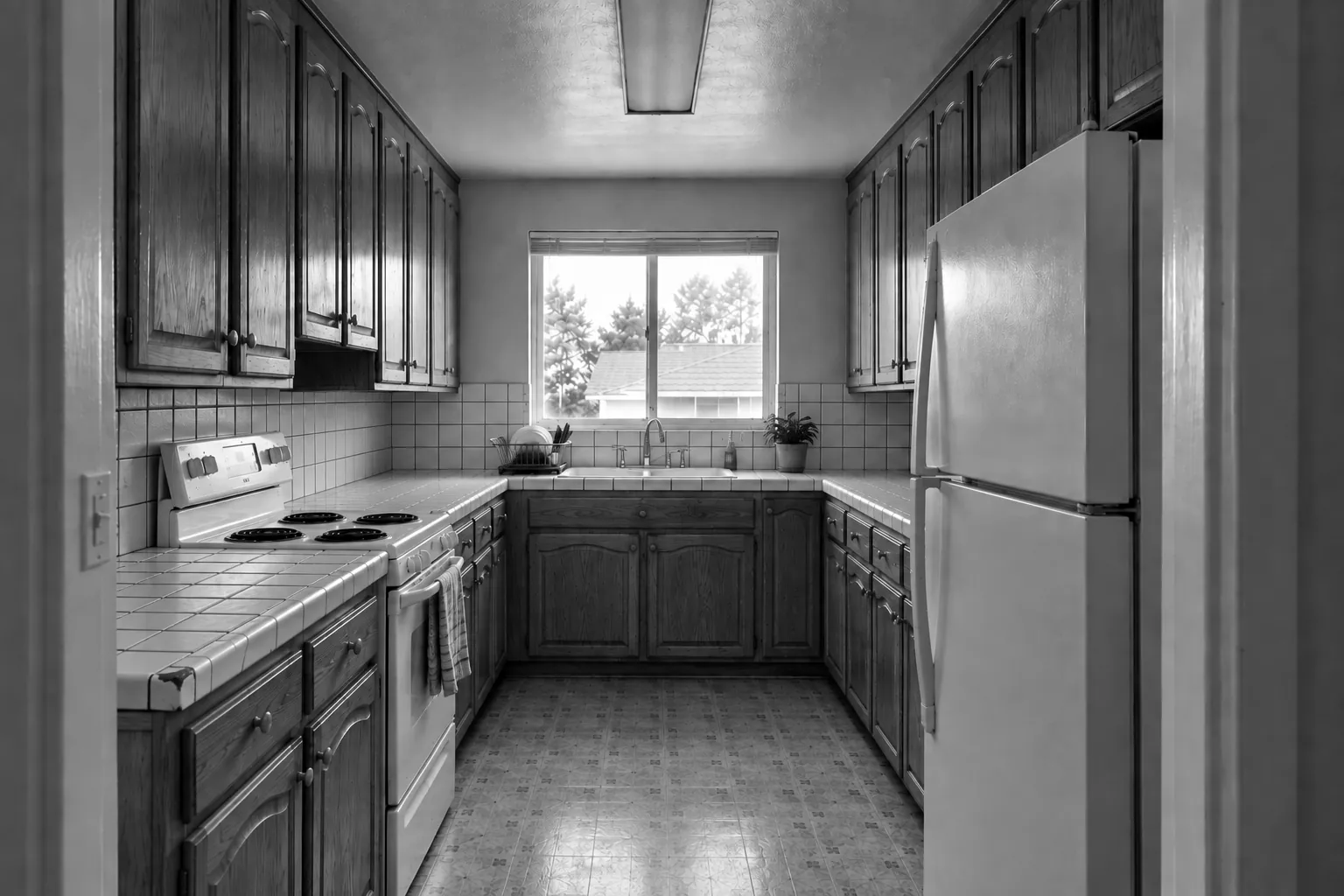
A kitchen in a house from the 1960s or 1970s meets rules a newer one does not. Most of them turn on a date, and the dates are written down.
Updated September 2026. Every rule and figure checked at its own source, listed at the end.
Disclosure: this site makes introductions. It holds no contractor license and sets no prices. How this works
Short answer
The build year decides which rules wake up. About 54 percent of housing in ZIP area 91321 dates from 1979 or earlier, against about 15 percent in 91354. In a building put up by 1980, the state construction asbestos rule presumes sprayed ceiling finish and pipe insulation contain asbestos, and treats vinyl and asphalt flooring laid by then the same way until it is shown otherwise. Wiring put in from 1965 to the mid 1970s may be aluminum (Census Bureau ACS table B25034, Cal/OSHA asbestos rule, 8 CCR 1529, CPSC Publication 516).
Stage 05 of 06, where this sits
The build year decides which rulebooks apply
Three dates matter more than anything else about an older kitchen. The first is 1980: in a building put up by then, the Cal/OSHA asbestos rule presumes some materials contain asbestos. The second is the stretch from 1965 to the mid 1970s, when new homes, additions and rewired circuits may have been wired in aluminum (CPSC Publication 516).
The third is 1978. With a few exceptions, housing built before 1978 counts as target housing under the federal lead rules (40 CFR 745.103). A fourth date belongs to plumbing: a house built by January 1, 1994 can have its older fixtures pulled into a permitted kitchen, which the code requirements page covers.
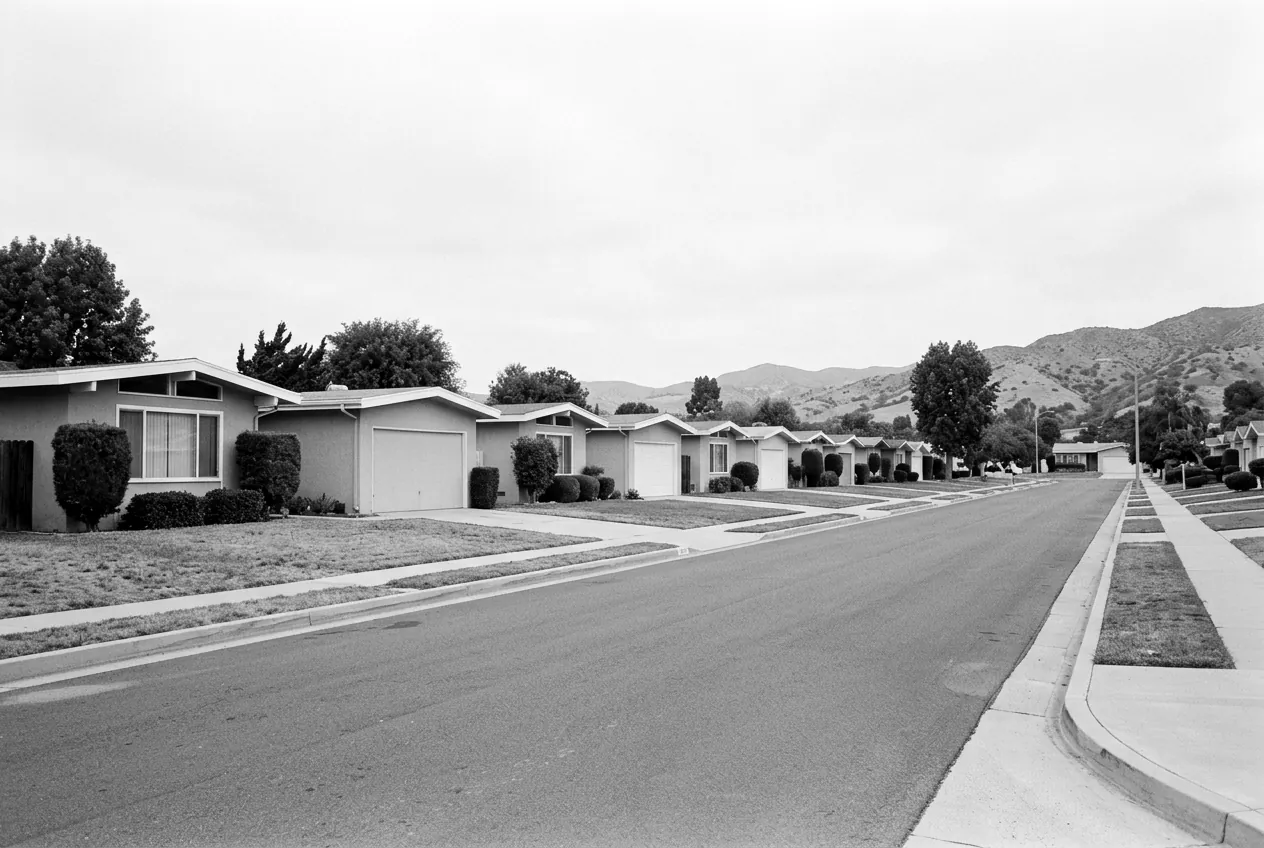
The sections below take them one at a time, starting with how many Santa Clarita homes are old enough for them to matter.
The Valencia page follows the 1994 plumbing date through one community.
How much of each ZIP was built by 1979
The Census Bureau ACS table B25034 counts housing units by the decade they were built. Adding the decades up to 1979 gives the share of each ZIP code area old enough for all three dates above to matter. The Census groups years by decade, so the table cannot split out 1978 exactly.
The figures cover every kind of housing unit, including condos, apartments and mobile homes, and a Census ZIP code area does not follow the city line. The spread is still wide: 91321 has more than three times the share of 91354, and 91355 has a larger share of pre 1980 housing than 91350 (Census Bureau ACS table B25034).
| ZIP code area | Share built by 1979 | Built 1979 or earlier | Built in the 1960s and 1970s | All housing units |
|---|---|---|---|---|
| 91321 | 54% | 6,103 | 4,674 | 11,338 |
| 91351 | 45% | 4,826 | 4,198 | 10,796 |
| 91355 | 36% | 4,413 | 4,165 | 12,235 |
| 91350 | 28% | 3,849 | 3,190 | 13,985 |
| 91390 | 26% | 1,769 | 951 | 6,692 |
| 91387 | 20% | 3,013 | 2,731 | 14,901 |
| 91354 | 15% | 1,664 | 1,579 | 11,386 |
| 91384, Castaic area, unincorporated county | 12% | 838 | 458 | 7,270 |
| 91381, Stevenson Ranch area, unincorporated county | 3% | 191 | 133 | 7,616 |
What demolition can find in a kitchen built by 1980
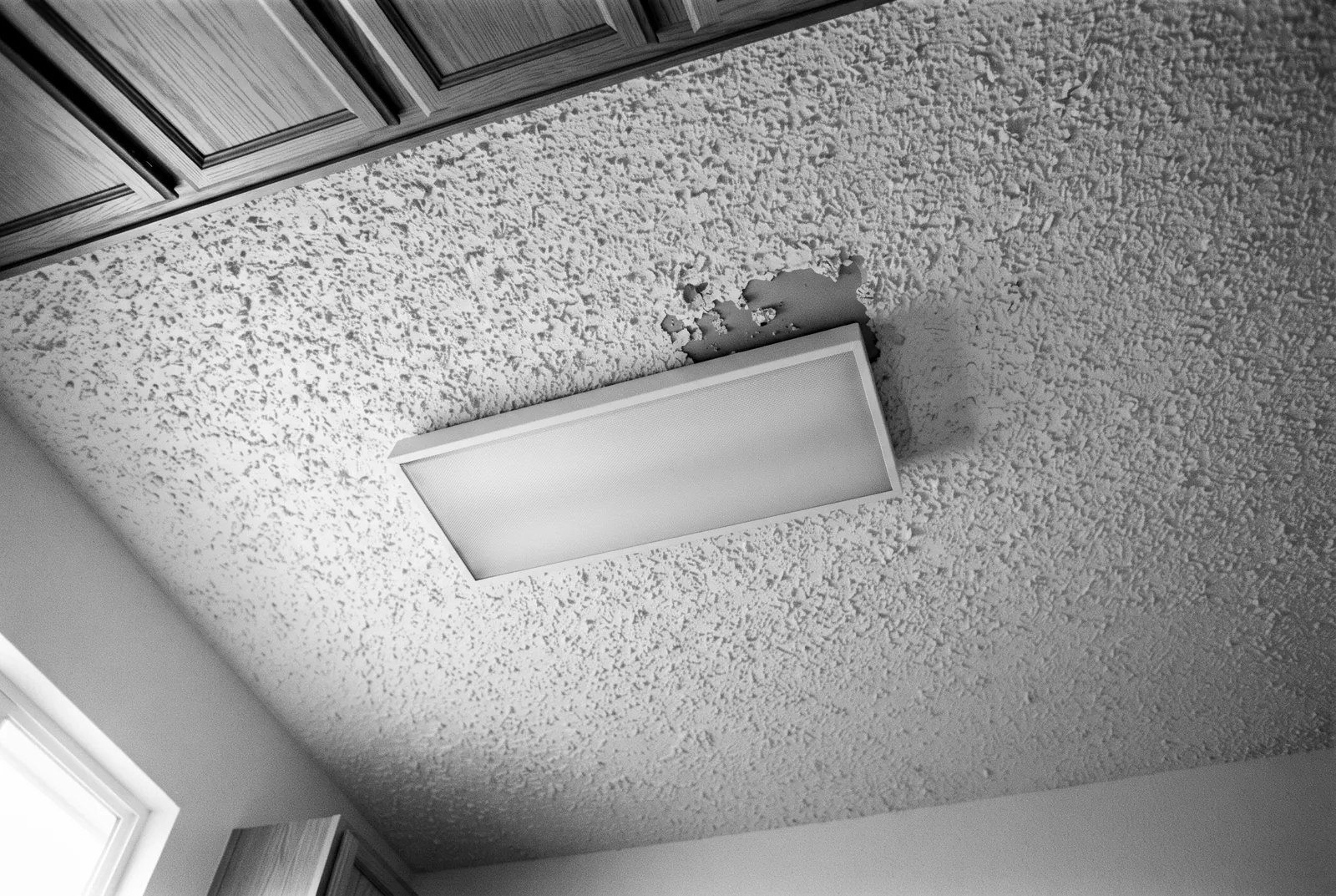
California's construction asbestos rule names two kinds of presumed asbestos containing material: "thermal system insulation and surfacing material found in buildings constructed no later than 1980." Surfacing material means anything sprayed or troweled on, and the rule gives acoustical plaster on ceilings as its example (Cal/OSHA asbestos rule, 8 CCR 1529).
Flooring gets its own line. "Asphalt and vinyl flooring material installed no later than 1980 must also be considered as asbestos containing" unless the employer determines otherwise by the method the rule sets. The rule protects workers, so it binds employers and building owners on construction work (Cal/OSHA asbestos rule, 8 CCR 1529).
EPA's own list of places asbestos may be found in a home includes vinyl floor tiles, the backing on sheet vinyl and its adhesive, textured paint and patching compounds on walls and ceilings, and hot water pipes wrapped in asbestos material (EPA, Learn About Asbestos). A kitchen remodel can reach every one of them.
Looking will not settle it. EPA says you generally cannot tell whether a material contains asbestos by looking at it unless it is labeled, lists planning a remodel as a reason to have it checked, and does not recommend taking samples yourself (EPA, Protect Your Family from Exposures to Asbestos).
Get a written price
Free to you. The contractor calls to set a visit.
Why a kitchen floor gets surveyed down to the joists
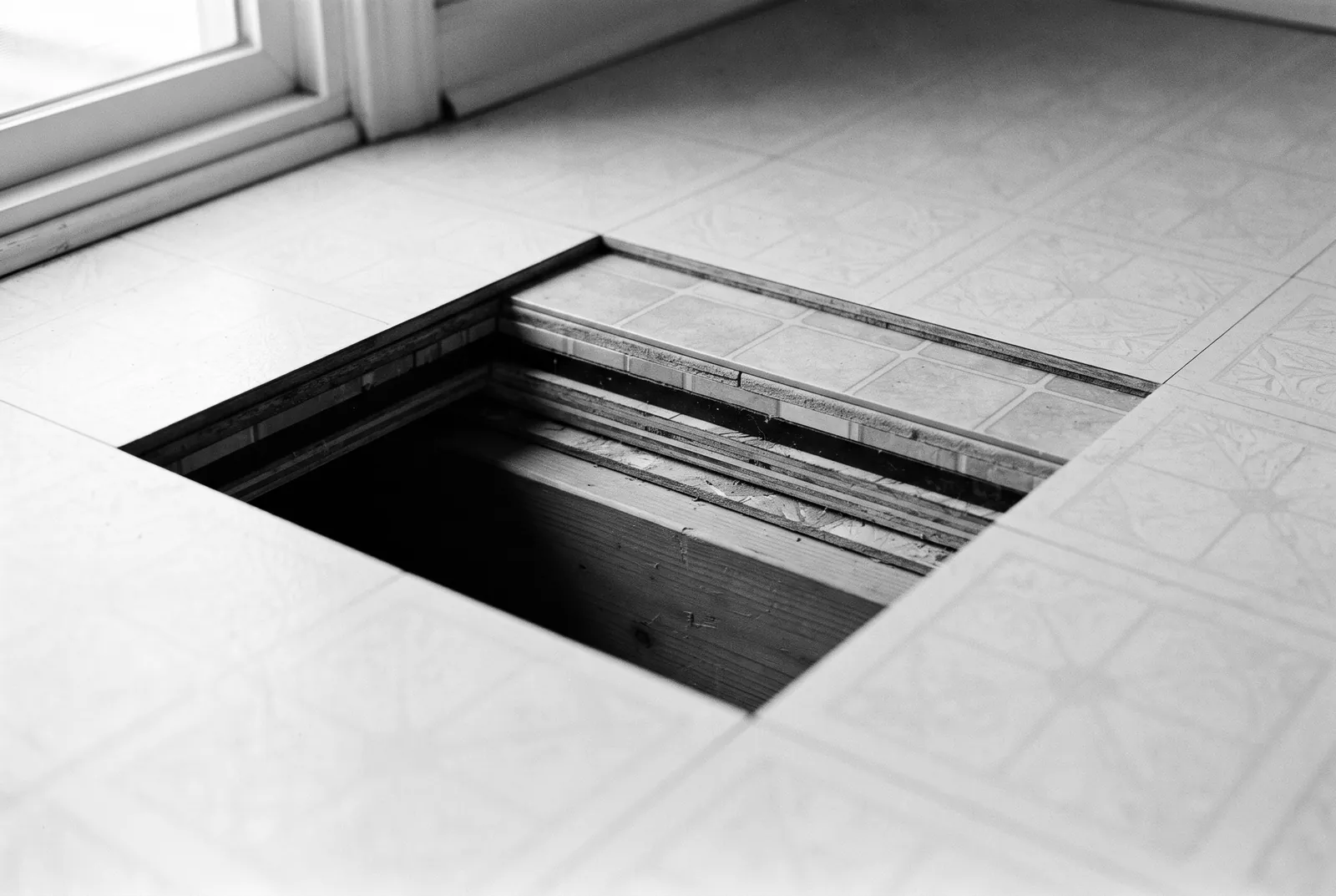
Where the air district rule calls for an asbestos survey before renovation, the survey has to identify "all layers of flooring materials to the joist level," plus material inside wall or ceiling cavities as needed. Where one floor was laid over another, every layer counts (South Coast AQMD Rule 1403).
The person doing it has to be certified by Cal/OSHA and has to have passed an EPA approved Building Inspector course (South Coast AQMD Rule 1403). EPA suggests using one firm to assess and a different firm to remove, so nobody is checking their own work (EPA, Protect Your Family from Exposures to Asbestos).
The survey rule has limits of its own (South Coast AQMD Rule 1403), and the remodel timeline sets them out with the notice clock: a single family house removing less than 100 square feet skips the survey, a condo or townhouse does not, and an owner living in a single unit house who does the work personally is outside the rule. EPA notes that federal law does not require training or accreditation for this work in detached single family homes and that some states do (EPA). The survey, license and registration rules on this page are California's.
What the new floor has to meet once the old one is out is on the flooring and backsplash page.
Who may remove it at 100 square feet or more
Once a job reaches 100 square feet or more of asbestos containing material, a contractor may not do the asbestos work unless it holds the C-22 Asbestos Abatement classification or its qualifier has passed the state asbestos certification exam (California Business and Professions Code 7058.5).
The exam exception in Business and Professions Code 7058.5 is narrow. It covers the installation, maintenance and repair of vinyl asbestos floor materials and a few other products, and removal is not on that list. A kitchen contractor without the certification can still bid and carry the job, as long as a C-22 or certified firm does the asbestos part (California Business and Professions Code 7058.6).
The same work also runs through Cal/OSHA. The firm registers with it, sends written notice of each job with the address and the start and projected completion dates, and posts a danger sign readable at 20 feet (California Labor Code 6501.5). Asbestos related work means disturbing material with more than one tenth of 1 percent asbestos by weight (California Labor Code 6501.8).
Wiring put in from 1965 to the mid 1970s
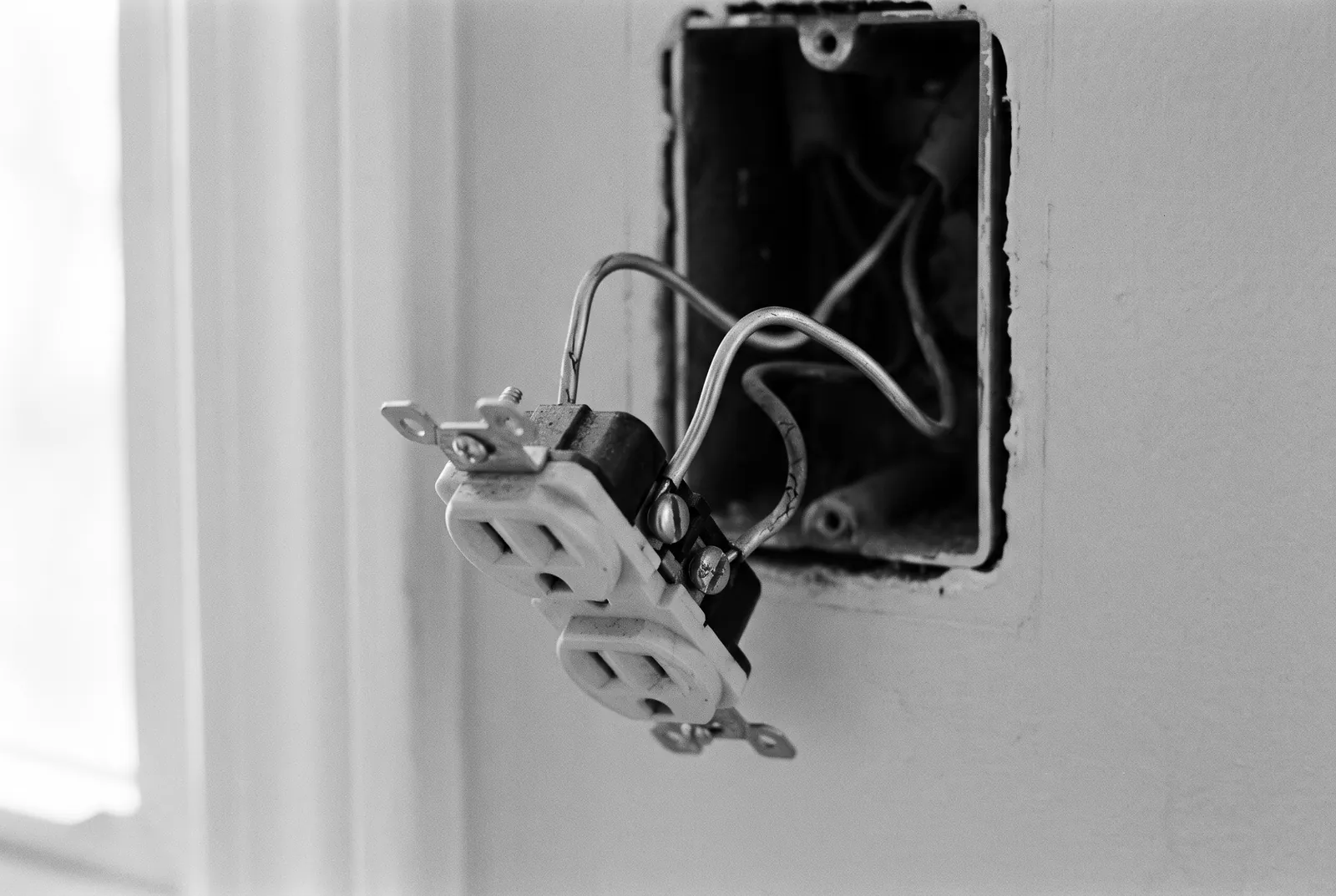
The federal Consumer Product Safety Commission says homes built before 1965 are unlikely to have aluminum branch circuit wiring, and that cable installed "between 1965 and the mid 1970s in new homes, in additions, and as part of rewired/new circuits may contain aluminum wiring" (CPSC Publication 516).
Those two decades hold the largest older blocks in the table above: about 4,674 units in 91321, 4,198 in 91351 and 4,165 in 91355 were built in the 1960s and 1970s. The Census counts when a building went up. It cannot say what wire is in the walls (Census Bureau ACS table B25034).
CPSC says aluminum cable is marked "Al" or "Aluminum" on the jacket every few feet, and that cable marked copper clad is a different product outside its repair advice. In that advice, where aluminum branch wiring is present, every appliance wired straight to it, dishwashers included, has to be repaired along with the outlets, switches, junction boxes and panel. The larger range and dryer circuits are outside that publication (CPSC Publication 516).
CPSC lists the repairs it treats as permanent. Which one fits a given kitchen is a question for the licensed electrician on the job, and the appliances and electrical page covers the circuits and the City electrical plan (CPSC Publication 516).
Next in the sequence
Keep reading
The four older home questions
Does an older kitchen in Santa Clarita have asbestos?
A house cannot be judged by its age alone. EPA says you generally cannot tell by looking and suggests having materials checked before a remodel (EPA). For workers, the state rule presumes sprayed ceiling finish, pipe insulation and flooring from 1980 or earlier contain asbestos until shown otherwise (Cal/OSHA asbestos rule).
Who can test for asbestos before a kitchen remodel?
Where the air district rule requires a survey, the surveyor has to be certified by Cal/OSHA and have passed an EPA approved Building Inspector course (South Coast AQMD Rule 1403). EPA suggests a different firm from the one that removes it (EPA).
How can I tell if a house has aluminum wiring?
CPSC says aluminum cable is marked "Al" or "Aluminum" on its jacket every few feet, and that it is most likely in wiring installed from 1965 to the mid 1970s (CPSC Publication 516). A licensed electrician can confirm it.
Which Santa Clarita ZIP codes have the most older homes?
In the Census Bureau's 2020 to 2024 estimates, 91321 has the largest share of housing built in 1979 or earlier, about 54 percent, followed by 91351 at about 45 percent and 91355 at about 36 percent. Leaving out the Castaic and Stevenson Ranch areas, 91354 is lowest at about 15 percent (Census Bureau ACS table B25034).
Sources
Every rule and figure on this page was read at the document that states it, in September 2026. The Census figures are estimates with margins of error. This page describes the rules and gives no legal, health or electrical advice.
- 1Year Structure Built, table B25034, American Community Survey 2020 to 2024 five year estimates, U.S. Census Bureau, for nine ZIP code tabulation areas
- 2Title 8, California Code of Regulations, section 1529, Asbestos, Cal/OSHA
- 3Learn About Asbestos, U.S. Environmental Protection Agency
- 4Protect Your Family from Exposures to Asbestos, U.S. Environmental Protection Agency
- 5Rule 1403, Asbestos Emissions from Demolition and Renovation Activities, amended October 5, 2007, South Coast AQMD
- 6California Business and Professions Code section 7058.5, asbestos certification
- 7California Business and Professions Code section 7058.6, bidding on asbestos related work
- 8California Labor Code section 6501.5, registration, job notice and posting
- 9California Labor Code section 6501.8, what counts as asbestos related work
- 10Repairing Aluminum Wiring, Publication 516, U.S. Consumer Product Safety Commission, June 2011
- 11Title 40, Code of Federal Regulations, section 745.103, definitions for lead based paint disclosure