Remodeling a small kitchen in a Santa Clarita condo or townhome
More than a third of the homes in the city are attached or in buildings of two or more units. A kitchen in one of them answers to the City and, often, to an association. This page sets out what state law says about the second.
Checked September 22, 2026, at the statutes and Census tables listed at the end.
Disclosure: this site makes introductions. It holds no contractor license and sets no prices. How this works
Short answer
Where an association's governing documents require approval, state law says the review must follow a written procedure with prompt deadlines, end in a written decision, explain any no, and offer the board's reconsideration. State law sets no number of days for a kitchen; the association's procedure does. Its approval and the City permit are separate, and neither stands in for the other (Civil Code 4765).
Stage 04 of 06, where this sits
How many Santa Clarita homes are attached
The Census Bureau's 2020 to 2024 estimates count about 78,081 homes in the city. Of those, 8,315 are single family attached, such as townhomes, and 19,586 are in buildings of two or more units, together about 36 percent (Census ACS table B25024).
Those rows describe the building type. Ownership is a separate question, and a condo can sit in either. By ZIP code area, the attached share runs from about a fifth to over half, as the table below shows (Census ACS table B25024).
Among about 4,294 owner occupied homes in buildings of two or more units, roughly 63 percent were built from 1980 to 1999 (Census ACS table B25127).
Get a written price
Free to you. The contractor calls to set a visit.
| ZIP code area | Homes | Attached or multi unit |
|---|---|---|
| 91321 | 11,338 | 53.7 percent |
| 91355 | 12,235 | 46.3 percent |
| 91387 | 14,901 | 44.9 percent |
| 91354 | 11,386 | 26.7 percent |
| 91351 | 10,796 | 26.3 percent |
| 91350 | 13,985 | 20.5 percent |
| 91390 | 6,692 | 12.6 percent |
What an owner may change inside the unit
The starting point is Civil Code 4760: "Subject to the governing documents and applicable law," an owner may "Make any improvement or alteration within the boundaries of the member's separate interest that does not impair the structural integrity or mechanical systems or lessen the support of any portions of the common interest development" (Civil Code 4760).
The governing documents come first in that sentence, so the section does not excuse an approval they require. A change seen from outside, such as a new vent through an exterior wall or the roof, "shall be in accordance with the governing documents and applicable provisions of law." (Civil Code 4760)
Moving the sink or opening a wall brings drawings, and the layout changes page covers who may prepare them.
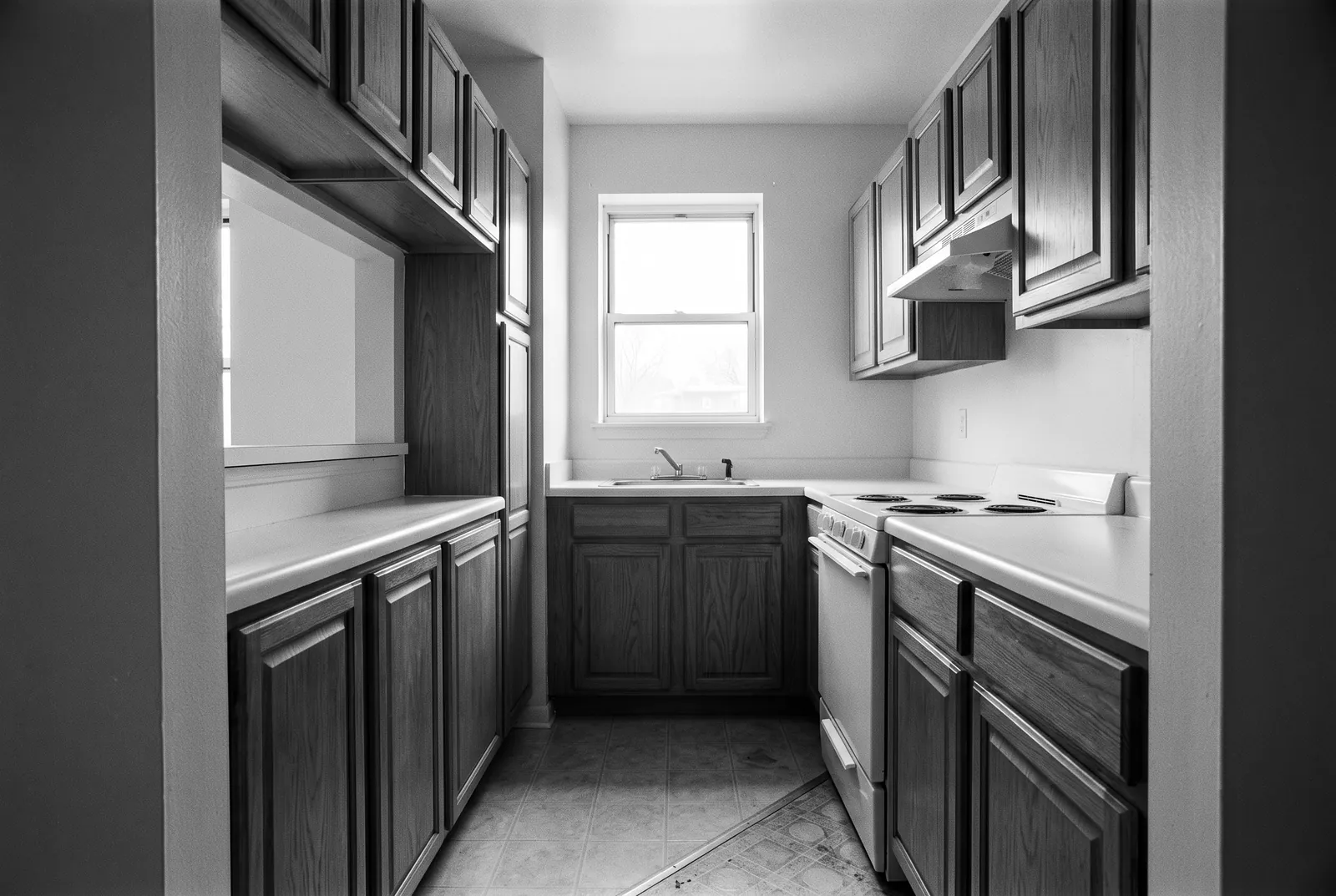
Where a condo unit ends and the common area begins
Unless the declaration or condominium plan provides otherwise, when walls, floors or ceilings are the unit's boundaries, "the interior surfaces of the perimeter walls, floors, ceilings, windows, doors, and outlets located within the separate interest are part of the separate interest and any other portions of the walls, floors, or ceilings are part of the common area" (Civil Code 4185).
Section 4185 draws that line for condos. In a planned development, which covers many townhome tracts, the owner's separate interest is a separately owned lot, parcel, area or space (Civil Code 4185).
The line matters because the review law does not stretch past it: "Nothing in this section authorizes a physical change to the common area in a manner that is inconsistent with an association's governing documents, unless the change is required by law" (Civil Code 4765).
By default, and unless the declaration says otherwise, "the owner of each separate interest is responsible for repairing, replacing, and maintaining that separate interest," and the association answers for the common area (Civil Code 4775).
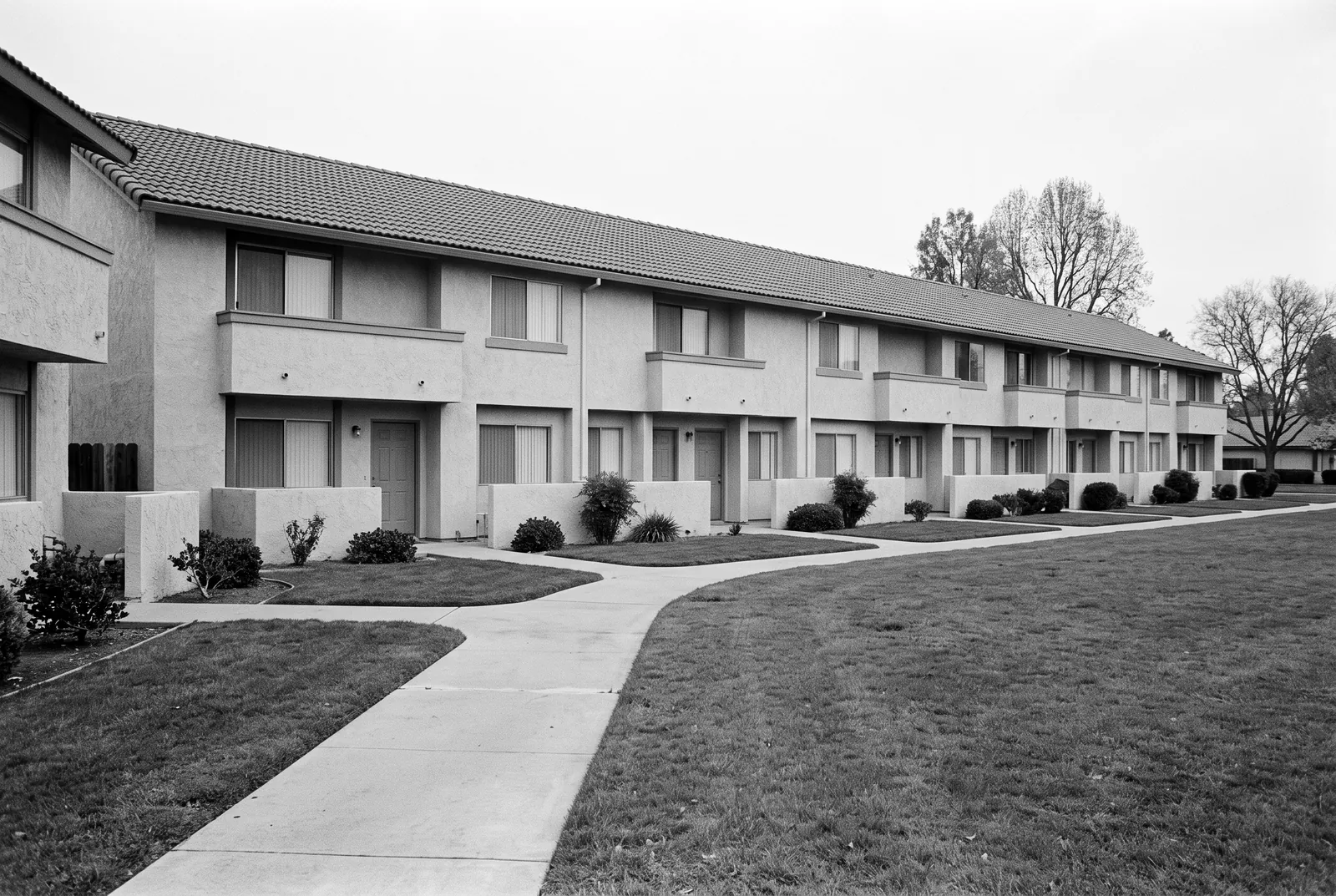
What the law asks of an association's review
Civil Code 4765 applies "if the governing documents require association approval before a member may make a physical change to the member's separate interest or to the common area." Where it applies, the procedure has to be fair, reasonable and expeditious and written into the governing documents (Civil Code 4765).
"The procedure shall provide for prompt deadlines. The procedure shall state the maximum time for response to an application or a request for reconsideration by the board." The number of days is the association's to set; the statute names none for a kitchen (Civil Code 4765).
A decision "shall be made in good faith and may not be unreasonable, arbitrary, or capricious," and whatever the governing documents say, it may not violate "a building code or other applicable law governing land use or public safety." The City permit is a separate yes, covered on the permit page (Civil Code 4765).

A written decision, and the reason for any no
The decision has to be written down. "If a proposed change is disapproved, the written decision shall include both an explanation of why the proposed change is disapproved and a description of the procedure for reconsideration of the decision by the board" (Civil Code 4765).
After a disapproval, the applicant is entitled to reconsideration by the board at an open board meeting, unless the board itself, or a body with the same members, made the decision at a properly held meeting (Civil Code 4765).
Where the governing documents and the law disagree, "the law shall prevail" (Civil Code 4205).
Where your association's kitchen rules are written down
Every year an association has to tell its members which changes need approval, with "a copy of the procedure used to review and approve or disapprove a proposed change" (Civil Code 4765). The annual policy statement, sent 30 to 90 days before its fiscal year ends, includes a summary of those requirements (Civil Code 5310).
A buyer on a resale gets them before closing: the seller provides "A copy of all governing documents" and the most recent annual distributions, as soon as practicable before title transfers or a real property sales contract is signed (Civil Code 4525).
A change to the association's architectural rules or its review procedure is a rule change, and the board gives general notice of it at least 28 days before making it, outside an emergency (Civil Code 4360).
Two other pages cover the building side: who may draw the plans is on the layout page, and the asbestos notice that reaches condo and townhouse kitchens is on the timeline page.
The City work hours and the dust rules reach a condo too, and the page on living through a remodel sets them out.
Next in the sequence
Keep reading
Asked by owners of attached homes
Does my HOA have to approve a kitchen remodel?
Only if its governing documents require approval for that kind of change. When they do, Civil Code 4765 sets how the review works (Civil Code 4765).
How long does an HOA have to answer?
State law sets no number of days for a kitchen. The association's written procedure must state the maximum time to respond (Civil Code 4765).
Can an HOA approve work that breaks the building code?
No. Whatever the governing documents say, a decision may not violate a building code or other law on land use or public safety (Civil Code 4765).
I am buying a condo. Where are the kitchen rules?
On a resale, the seller provides the governing documents and the latest annual distributions before title transfers (Civil Code 4525), and the annual statement summarizes what needs approval (Civil Code 5310).
Sources
Every section on this page was read in the statute as published by the Legislature, and every count in the Census tables, in September 2026. The page describes the law; it is not legal advice, and your association's own documents decide the details.
- 1U.S. Census Bureau, American Community Survey 2020 to 2024 5 year estimates, table B25024, units in structure
- 2U.S. Census Bureau, American Community Survey 2020 to 2024 5 year estimates, table B25127, tenure by year built by units in structure
- 3Civil Code section 4760, improvements by a member, California Legislative Information
- 4Civil Code section 4185, boundaries of a separate interest, California Legislative Information
- 5Civil Code section 4775, repair and maintenance, California Legislative Information
- 6Civil Code section 4765, association approval of physical changes, California Legislative Information
- 7Civil Code section 4205, governing documents and the law, California Legislative Information
- 8Civil Code section 5310, annual policy statement, California Legislative Information
- 9Civil Code section 4525, documents for a prospective purchaser, California Legislative Information
- 10Civil Code section 4360, notice of a rule change, California Legislative Information